
It can't be true, can it?! Unfortunately not quite, but there are better options. I’m
sure most reading this have consumed some sort of soda/pop/coke, whatever you
may call it, at some point in your life. But when was the last time you did?
Was the last time you consumed soda in the age of cane sugar or recently, when
high fructose corn syrup has dominated the market? This change began in the
1970s and the trend continues, do you ever wonder why this is? Granted high
fructose corn syrup has its advantages but it also has a plethora of
disadvantages as well.
Background
 |
| TermLifeInsurance.org Staff Writer |
First
off I must say that I’ve been a soda consumer nearly all of my life. Generally
drinking one can a day, just like the rest of my immediate and extended family.
However, this changed at the beginning of summer break 2012. Once I graduated
high school I was fortunate enough to attend multiple graduation parties and
had my first experience with the “throwback” sodas, the ones that used cane
sugar instead of high fructose corn syrup (you can normally find these in larger grocery stores). My first reaction? This stuff was
freaking amazing! I had always written these types of soda off as just some
gimic to get me to try something new and spend a little extra, but there is
certainly a difference!
Being
as curious as I am I had to find out why this tasted so much better than
anything else I had in the past, yeah it was that good. I started trying to
find out what the differences were and found that the main one was that the
throwback was made with real sugar, just like in the old days. I hadn’t been
aware of that so I continued to do research regarding the subject and in short
I no longer drink any soda what so ever; but that is a step I’m understanding
not everyone is willing to take so I’ll just provide information to you that
led me to where I am now.
 |
| ConciousLifeNews.com |
History of Soda
 |
| Different Pepsi Designs by CreativePro.com |
Soda
has a long, interesting, and rather surprising history associated with it.
There are three main sodas that I’m going to talk about, first up is Pepsi.
Pepsi is not the oldest, nor the most shocking, but a testament to the
evolution of a business based off of a solid product. In 1898 Caleb Bradhamintroduced his Pepsi-Cola at his Pharmacy in New Bern, North Carolina. At the
forefront of cola’s they were marketed as medicines, claiming to cure a variety
of aliments. This is a common beginning to all sodas much like the way they get
their name. Pepsi received its name after the ingredient pepsin, which was in
the original formula.
 |
| MerchantCircle.com |
 |
| fanpop.com |
High Fructose Corn Syrup and Cane Sugar
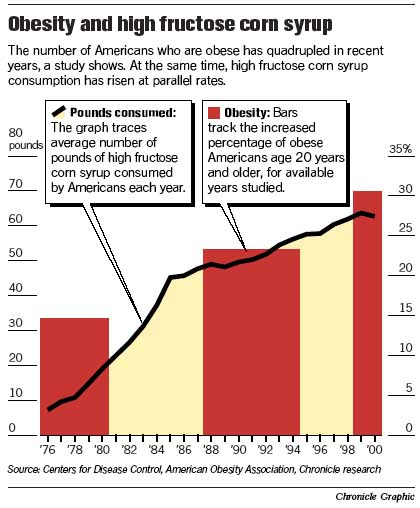
High fructose corn syrup (HFCS) and cane
sugar (CS) have some key differences, especially regarding how your body breaks
them down. The term “sugar” can be broken down into sucrose, fructose, lactose,
and maltose. Each deriving from certain products; the two we are concerned
about regarding the HFCS vs. CS debate are sucrose and fructose. Cane sugar
falls into the sucrose category, which makes up most sugar in foods and table
sugar. HFCS however is both a fructose and a sucrose, without going into too
much detail (which can be found here) HFCS leaves the body unsatisfied and it
also has a higher glycemic index.
 |
| vigilantcitizen.com/ |
In
conclusion the various sodas on the market are delicious to many people and
have been around a long time. The ingredients have changed as time has
progressed, sometimes for the best and sometimes for the worse. The use of high
fructose corn syrup is unfortunately one for the worse. Whatever your choice may
be if you still choose to consume soda I would advise you to purchase those
sodas that use cane sugar rather than high fructose corn syrup for your health
and the health of those that you care for.

No comments:
Post a Comment